The Hidden Dangers Lurking in Popular Coral Reef Destinations

Discovering vibrant coral reefs is a dream for many travelers. But beneath the clear blue waters and colorful fish, there are hidden dangers that most tourists never notice. From climate change and coral bleaching to toxic sunscreen, plastic pollution, and overcrowded tourism, these fragile ecosystems face serious threats.
According to NOAA’s 2024 coral reef status report, more than 70% of the world’s reefs are at risk due to human activities and rising ocean temperatures. That means your vacation spot might not be as healthy as it looks..
Let’s take a dive into the unknown, armed with facts that challenge common assumptions about these aquatic jewels.
1. Overcrowding Leads to Reef Destruction

Popular coral reef destinations like Australia’s Great Barrier Reef attract millions of tourists annually. Yet, this influx can lead to overcrowding, damaging the very ecosystems people come to admire. According to a study published by the University of Queensland, uncontrolled tourism can result in broken corals and stressed marine life.
While it might feel like you’re experiencing a slice of paradise, in reality, the human footprint can be as visible underwater as it is on the seashore.
2. Sunscreen’s Toxic Secret

Slathering on sunscreen is vital for skin protection, but did you know that many sunscreens contain chemicals harmful to coral reefs? Oxybenzone and octinoxate, common in such products, have been linked to coral bleaching, which many tourists are unknowingly contributing to globally.
The next time you reach for sunscreen, consider a reef-safe alternative. Your skin—and the reef—will appreciate it.
3. Climate Change: A Global Reef Threat

Rising ocean temperatures and acidification due to climate change are altering the fabric of coral ecosystems dramatically. A report from NOAA highlights that increased temperature stress alone has been a significant factor in coral bleaching events across major reefs.
Every swell of warmth isn’t just a chance to enjoy tropical weather; it can also pose a potential hazard to our maritime friends.
4. Unseen Pollution: Trash Below the Surface

Plastic pollution isn’t just a sight on beaches; tangled waste lurks in coral ecosystems as well. The World Economic Forum reports that by 2025, there could be more plastic in the ocean than fish, a devil’s deal not apparent to those calmly snorkeling above.
Next time you’re on holiday, participate in a beach clean-up or opt for reusable products to help fight ocean litter.
5. Destructive Fishing Practices

In some coral-rich regions, overfishing and harmful fishing methods like dynamite fishing present ongoing threats. These practices not only reduce fish populations but also shatter reef structures.
Promoting sustainable seafood choices can lessen the demand for over-exploitative fishing and protect these underwater ecosystems.
6. Coral Bleaching: What’s Really Happening?

Coral bleaching is more than just a white patch spoiling your Instagram pic. It’s a cry for help from stressed corals, struggling with environmental changes. The phenomenon occurs when symbiotic algae, which provide corals with food through photosynthesis, are expelled due to stress factors.
Supporting reef restoration projects can help counteract bleaching’s impacts over time.
7. Invasive Species Invading Paradise

In areas like the Caribbean, lionfish—a notable predator—threatens local fish populations due to a lack of natural predators and an insatiable appetite. This invasion can disrupt delicate marine balance and damage coral environments.
Encourage controlled fishing tournaments or campaigns to mitigate their impact and help restore equilibrium.
8. Anchors Away: Boat Traffic and Reef Damage

A friendly boat outing can turn problematic if it leads to anchor damage on delicate coral heads. Beyond breaking formations, anchors can decimate symbiotic connections vital for reef health.
Opt for mooring buoys instead of anchoring when possible to protect these irreplaceable habitats.
9. Ghost Nets: The Ocean’s Haunting Problem

Derelict fishing nets, known as ghost nets, continue to trap marine life long after being discarded. Ghost nets drift across oceans, ensnaring everything in their path, and damaging reefs in the process.
Supporting initiatives that retrieve these nets can save millions of marine lives annually.
10. Unchecked Tourism: A Double-Edged Sword

Ecotourism aims to highlight natural beauty while promoting conservation, but it often walks a tightrope. Without strict regulations, tourist activities can trample fragile reef systems, outweighing conservation benefits.
Consider choosing eco-certified tours that prioritize sustainable interaction with marine environments.
Interested in more info about Coral? Explore our Coral Reefs Category for more amazing articles.
11. Ocean Noise Pollution

Noise from boats, construction, and marine activities disrupt marine life’s communication channels. According to The Ocean Conservancy, noise pollution can lead to behavioral changes in fish and marine mammals, jeopardizing coral ecosystems’ stability.
Advocating for quieter vessel technologies can help restore peace under the seas.
12. The Impact of Desalination Plants

As more regions turn to desalination plants, hypersaline water discharge becomes a concern for surrounding reefs. This increased salinity can distort oceanic balances, which are crucial to coral survival.
Support research into improved technologies for saline effluent management in your area.
13. Coral Harvesting for Souvenirs

The impulse to bring home a piece of paradise can have dire consequences. Harvesting coral for jewelry or decor strips reefs of their natural architecture, weakening marine ecosystems.
Resist buying coral-based souvenirs and educate others on the importance of leaving underwater treasures untouched.
14. Lack of Awareness: The Silent Killer

Awareness is perhaps the most significant tool for preventing coral reef degradation. Without it, continued harm goes unnoticed. Educational campaigns and spreading the word about reef-friendly practices can shift public perceptions.
Engage with interpretive programs on your next reef visit to enhance your understanding of these fragile ecosystems.
15. Seafood’s Impact on Coral Reefs

The chains linking our seafood choices to coral health are longer than you might think. Overfishing not only destabilizes ecosystems but may also remove species crucial for coral gas exchange.
Choosing sustainably sourced fish helps maintain ecological balances vital to marine-life health.
Suggested Article:
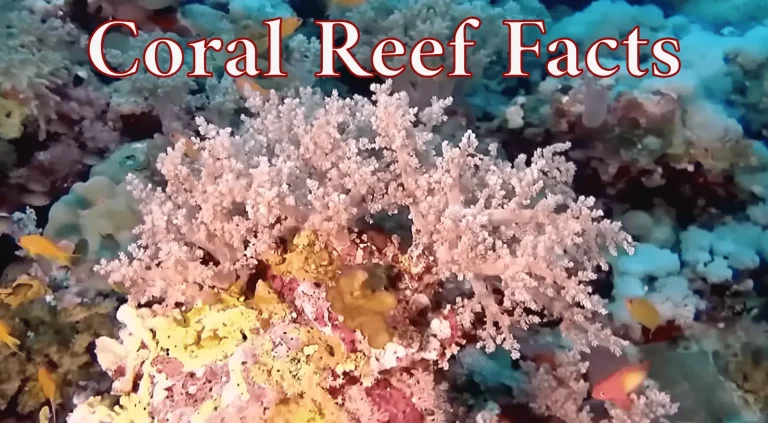
- 11 Outrageous Coral Reef Facts That Will Change How You See the Ocean
- 9 Easy DIY Coral Reef Project Ideas to Try This Weekend
- Sea Cucumbers Poop
Why Coral Reefs Matter
Coral reefs are not only breathtaking but form the backbone for diverse marine species. They offer protection to coastal communities, contribute to carbon cycling, and drive tourism economies worldwide.
Your efforts in conserving these marine marvels play a part in sustaining planetary health.
Taking Action: What You Can Do
Feeling empowered yet? As tourists, divers, and citizens of the world, our choices make ripples across the oceans. Whether it’s choosing eco-friendly products, sharing knowledge, or supporting conservation efforts, every action counts.
Join forces with local organizations in your area to amplify your impact and remember: the ocean thrives when we dive responsibly!
Conclusion: The Path Forward
Coral reefs are more than just beautiful—they are the backbone of marine life, protect coastlines, and support millions of people worldwide. But their survival depends on the choices we make.
By choosing reef-safe sunscreen, supporting eco-certified tours, reducing plastic use, and spreading awareness, you can make a real difference. Small actions—like skipping coral souvenirs or joining a local beach clean-up—help protect these ecosystems for future generations.
As the Ocean Conservancy (2024) reminds us: every action counts. Together, we can reduce the hidden dangers and give coral reefs a fighting chance. 🌊✨
If this opened your eyes, share this article on Pinterest or Facebook and inspire others to travel responsibly. The ocean thrives when we dive with care. 💙