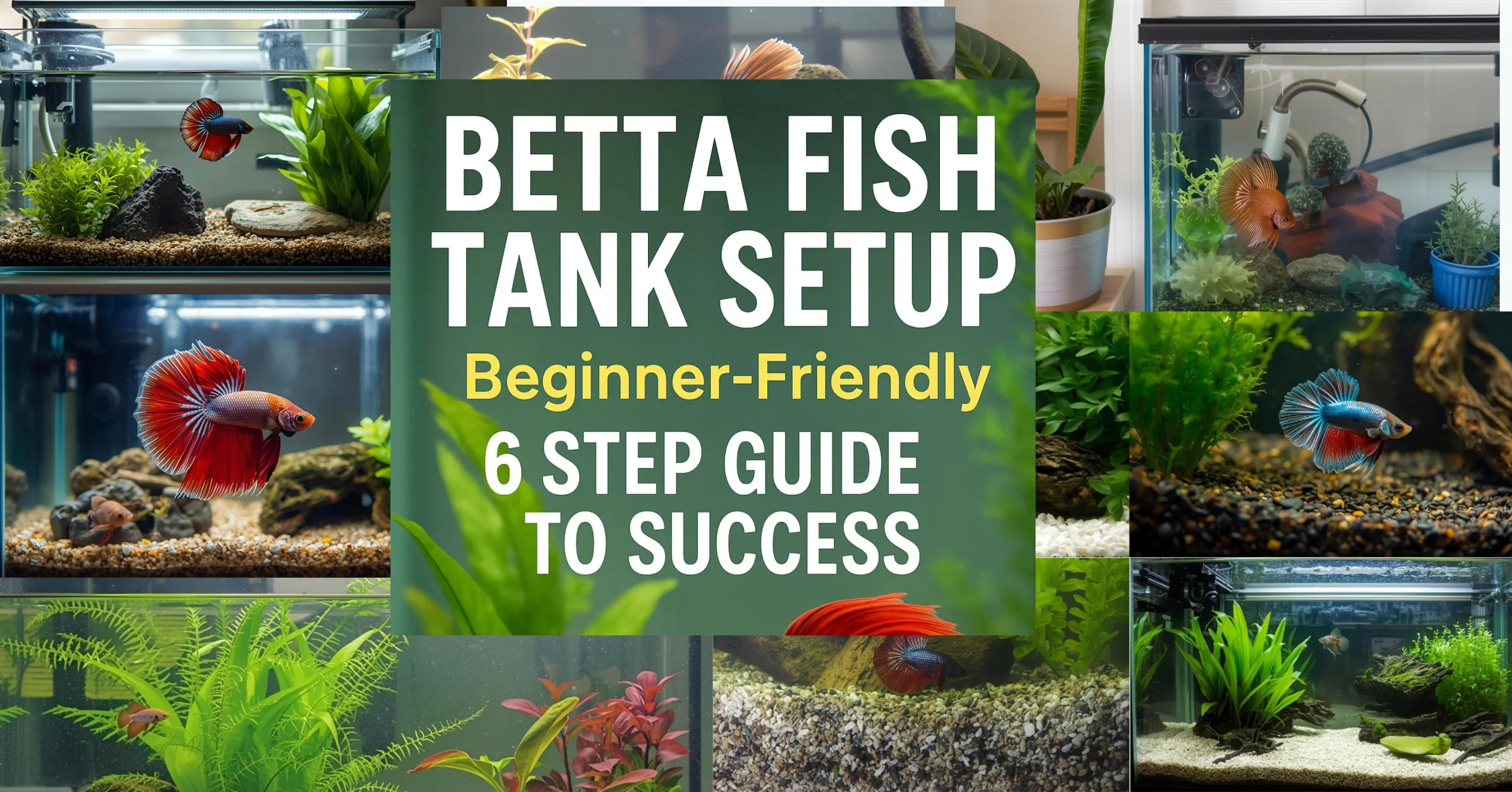
Betta Fish Tank Setup: Beginner-Friendly 6 Step Guide to Success
Feeling overwhelmed by setting up a Betta fish tank? You’re not alone—I’ve been there too. When I thought of my very first betta fish tank setup, I was very worried about choosing the right tank, water care, and what equipment I actually needed. But once I learned the process step by step, everything clicked into place.
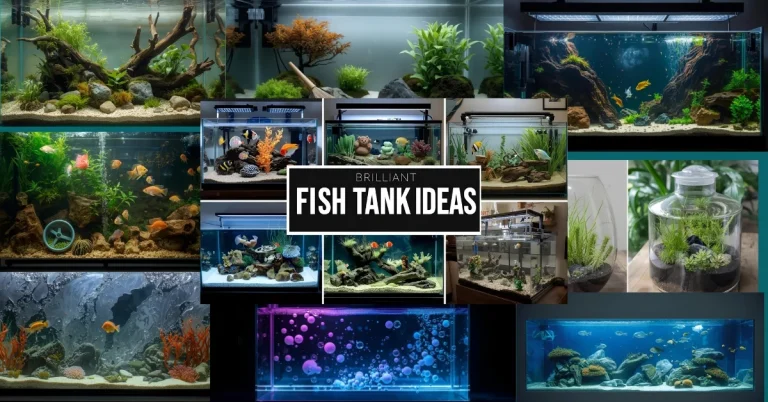
If you’re still exploring design inspiration before you commit, check out my guide on Betta Fish Tank Ideas.
In this guide, I’ll walk you through my 6 favorite steps for a Betta fish tank setup—the same approach I’ve used (and refined) over the years. From selecting the right aquarium size to adding those final touches, you’ll have everything you need to provide your Betta with a safe, comfortable, and beautiful home.
Beginner Betta Fish Tank Setup Basics
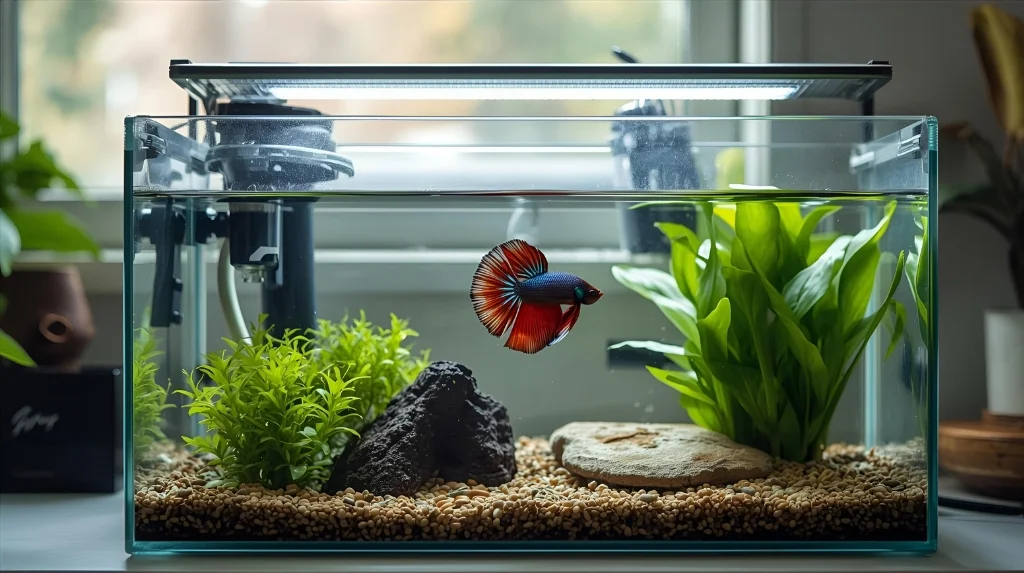
Before we start to discuss the six steps, let’s quickly cover the basics of a proper betta fish tank setup.
Whether you’re looking at a 5-gallon beginner tank, a 10-gallon community setup, or something simple with live plants, the principles remain the same.
A good setup balances space, equipment, and care.
That way, your Betta has an environment that feels natural, stress-free, and visually appealing.
Step 1: Choosing the Right Aquarium
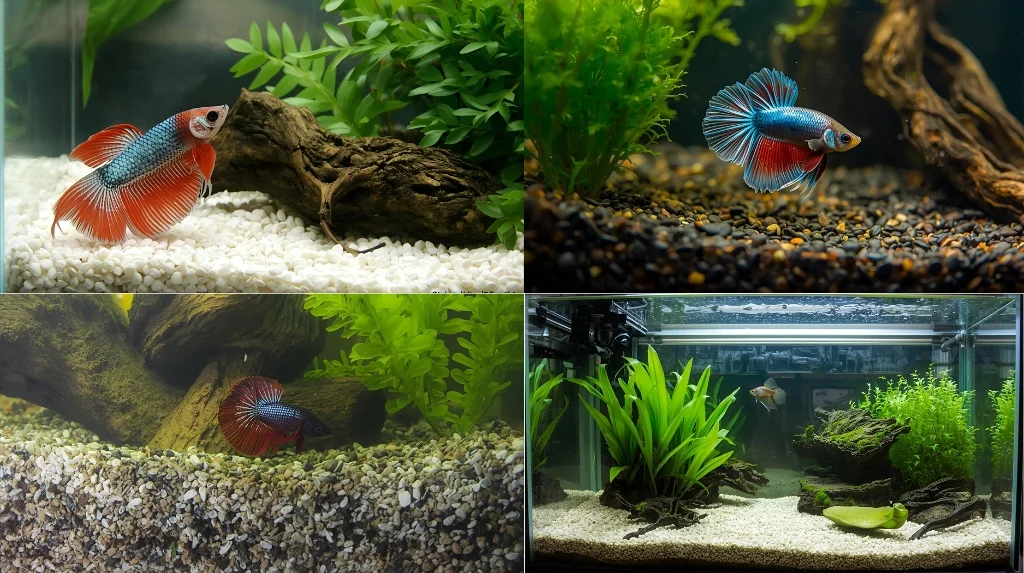
Kicking things off, let’s go shopping! The first decision is whether your Betta will fly solo or share their space with other fish. Your Betta might be tiny, but they’re territorial little creatures!
A solitary Betta does well in a 5-gallon tank. But if you dare to add tank mates, check out our other guides on suitable companions and consider a 10 to 20-gallon tank. Remember, a happy Betta is one with plenty of swim space!
If you’re unsure about the actual water capacity of your aquarium, try my Aquarium Volume Calculator—it’s a handy tool that saves you the guesswork.
Aquarium kits are a good starting point, but check what’s included. Make sure your tank has:
- A lid (Betta fish have hops and can jump out if there’s no lid!).
- Gentle filtration—they prefer calm water.
- A stand sturdy enough to hold 50+ pounds once filled. A 5-gallon tank can weigh 50 pounds with water.
For beginners, I often suggest a simple glass tank with a sponge filter, since it’s gentle, quiet, and Betta-friendly.
Step 2: Essential Equipment and Supplies for Betta Tank

Now let’s get your Betta’s home running smoothly. At a minimum, you’ll need:
- Heater: Bettas thrive at 78–82°F. A 25-watt heater works for a 5-gallon tank.
- Water conditioner: Removes chlorine and harmful chemicals from tap water.
- Beneficial bacteria starter: Helps kick-start a healthy nitrogen cycle.
- Test strips or kits: To monitor ammonia, nitrite, nitrate, and pH.
- Aquarium siphon: Makes water changes quick and stress-free.
These basics may not look exciting, but they make all the difference in keeping your Betta stress-free and healthy.
Step 3: Decorating Your Betta’s New Crib
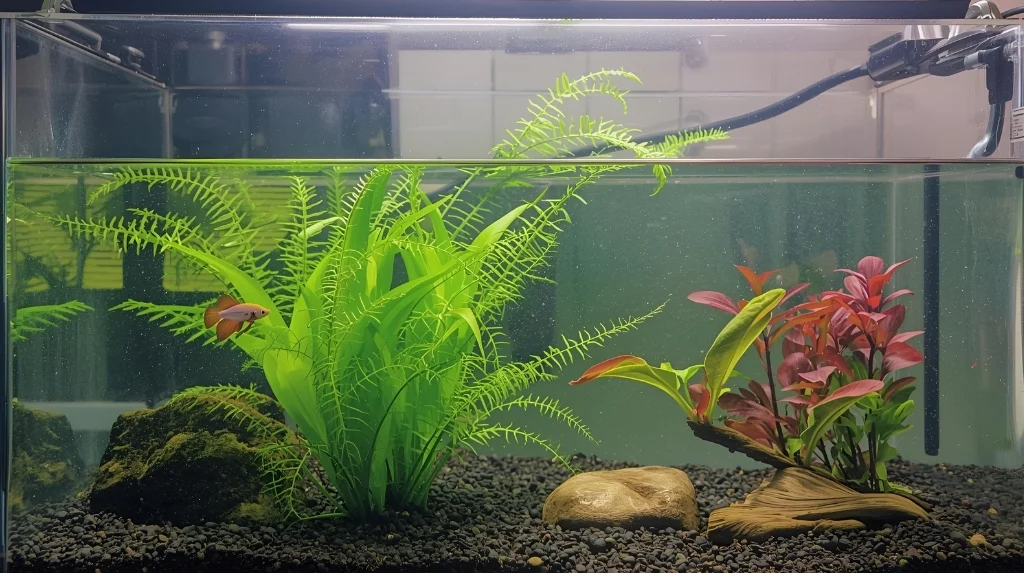
This is where the fun begins! I always think of this step as designing a little world for your Betta. Start with a thin layer of rounded gravel (about 5 pounds for a 5-gallon tank). If you can, try bioactive gravel—it enhances water quality and really makes Betta colors pop.
To figure out exactly how much gravel or substrate you’ll need for your setup, check out the Aquarium Substrate Calculator. It makes planning your tank much easier.
For plants, I recommend hardy favorites like Anubias, Java fern, or Marimo moss balls. They don’t demand much care, and they help keep the water balanced. Floating plants such as frogbit add shade and create natural hiding spots.
Not into live plants? Betta-friendly floating logs and smooth decorations work too—just avoid anything sharp that could tear those delicate fins.
Step 4: The Art of Adding Water and Cycling into a Betta Tank

Now it’s time to get the tank ready for life. Fill your aquarium with tap water, add a dechlorinator, and set up your filter and heater. Give them 30 minutes to stabilize before turning them on. Always use a drip loop with cords to keep things safe.
Next comes cycling—the process of growing beneficial bacteria that break down waste. Think of it as seasoning your Betta’s new home before moving them in. Cycling takes patience (a couple of weeks), but it’s the best way to ensure clean, safe water for your fish long term.
Step 5: Introducing Your Betta to Their New Home
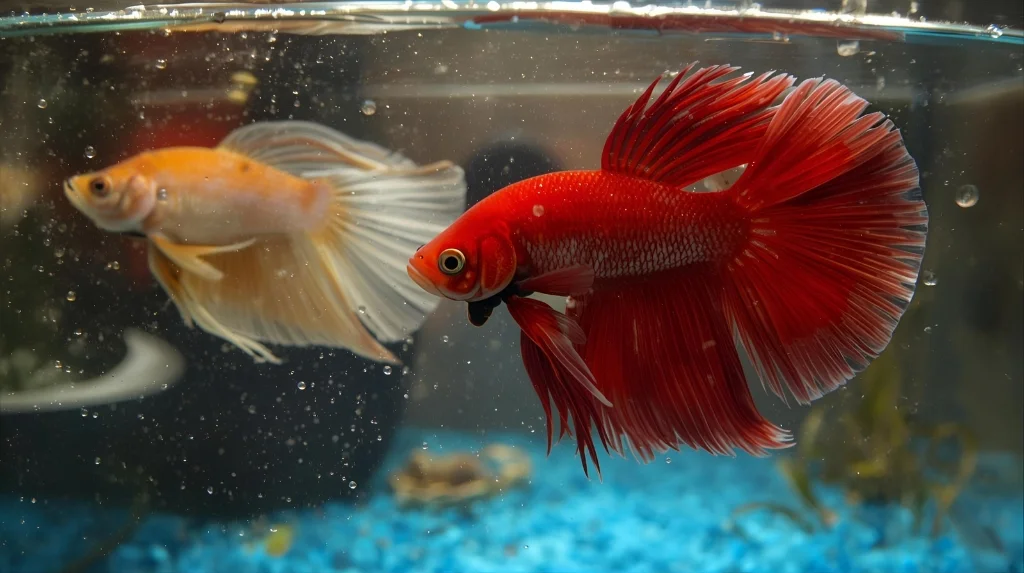
The big moment has arrived! To ease your Betta into their new space, float their transport bag in the tank for about 20 minutes so the water temperatures match. Then gently release them into the tank—without pouring in the store water.
Feeding is also part of settling in. Start with a few high-quality pellets or freeze-dried treats once or twice a day. Don’t overfeed—Betta fish have small stomachs, and less is often more.
Keep an eye on your Betta over the first few days. If they’re exploring, flaring a little, and eating well, you’ll know you’ve created a comfortable space.
Step 6: Ongoing Care and Final Touches for Betta Tank
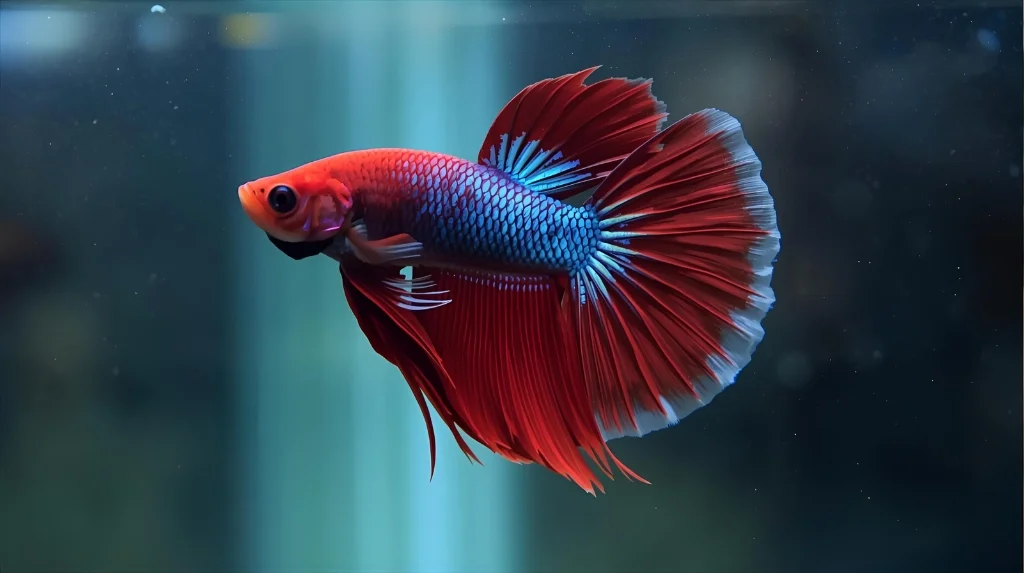
Setting up a tank is only the beginning—the real success comes with consistent care. Here are my golden rules:
- Do 20–30% water changes weekly with your siphon.
- Test water regularly and adjust as needed.
- Offer a variety of foods for balanced nutrition.
- Re-arrange plants or decorations occasionally to keep things interesting.
- Keep a small fish first-aid kit on hand for emergencies.
Once you’ve got the basics down, Betta care becomes second nature. Before long, you’ll be styling tanks like a pro and enjoying the relaxing routine of aquarium keeping.
Common Betta Fish Tank Setup Mistakes to Avoid

Even with the best intentions, it’s easy to trip up when setting up your first Betta aquarium. I’ve seen (and made) many of these mistakes myself, so let’s save you the trouble.
- Going too small – A bowl or tiny tank may look cute, but it’s not fair for your Betta. Anything under 5 gallons usually means poor water quality and stress.
- Sharp decorations – Those fancy castles or plastic plants with jagged edges? They can rip delicate Betta fins. Always choose smooth, Betta-safe decor.
- Skipping the nitrogen cycle – I know it’s tempting to rush and add your fish right away, but skipping the cycle is a recipe for stress and disease.
- Overfeeding in a new tank – A fresh tank doesn’t have much beneficial bacteria yet. Too much leftover food quickly turns into ammonia, which harms your Betta.
- Too strong filtration – Bettas don’t like being blown around. A powerful filter can exhaust them—gentle flow is key.
Think of these as the “rookie bloopers” that most beginners make in their first setup. Avoiding them will instantly put you ahead of the curve.
How to Fix Mistakes if You’ve Already Made Them
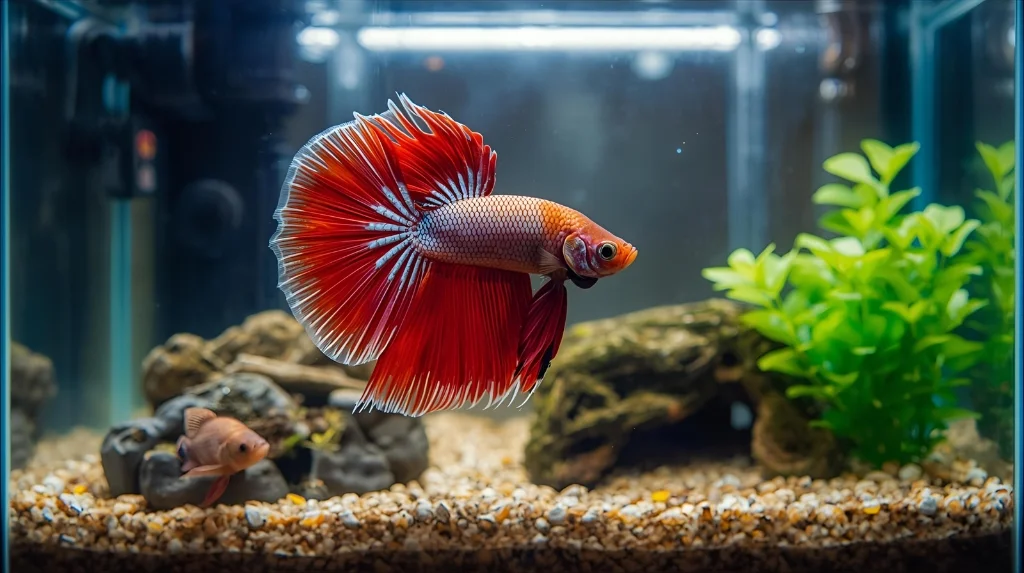
No worries if you’ve already stumbled—I’ve been there too! Here’s how you can fix the most common betta fish tank setup mistakes without starting from scratch.
- Tank too small? Move your Betta into a 5-gallon or larger aquarium as soon as you can. It makes a world of difference in their behavior and health.
- Filter too strong? Add a sponge pre-filter or a DIY baffle to soften the water flow. Cheap, easy, and Betta-approved.
- Skipped cycling? Use bottled bacteria (sold at most aquarium shops or online) to speed things up. Monitor water with test strips daily until it stabilizes.
- Wrong substrate? Don’t panic—you can siphon out small amounts and replace gradually with smooth gravel or sand. My Aquarium Substrate Calculator helps you plan exactly how much you need.
- Not enough decor? Add silk or live plants, caves, or floating logs to give your Betta hiding spots. It reduces stress and adds personality to the tank.
Every setup has hiccups, but the good news is that almost everything can be corrected with a few small adjustments.
Where to Buy Your Betta and Aquarium Supplies
I get this question all the time: , Where do you buy your fish and all your aquarium gear?”
Here’s my honest advice:
Decor & Substrate – Stick to Diamond Black Quartz smooth gravel, or Aqua Natural Sugar White Sand, Natural Aquarium safe driftwood, and live or silk plants. Sharp plastic? Leave it on the shelf.
Buying Your Betta – Always choose a healthy fish. Look for clear eyes, smooth fins, and active swimming. Local breeders or trusted stores usually beat big chains for quality.
Aquarium & Kits – A 5-gallon tank is the gold standard for a beginner betta fish tank setup. If you’re planning more decor or even a community tank, go for a 10-gallon betta fish tank setup or larger. Amazon has some great all-in-one kits that come with lights and filters.
Equipment Essentials – Don’t skip a heater (bettas love 78 – 82°F), a gentle filter (sponge or adjustable), a water conditioner, and test strips. These are the non-negotiables.
These are the exact products I recommend and use myself.
Betta Fish Tank Setup FAQs
Over time, I’ve noticed the same questions pop up again and again from new Betta keepers. Let’s clear them up right here.
Conclusion
Setting up a Betta tank doesn’t have to be intimidating—it just takes the right steps. By choosing a good-sized aquarium, adding the right equipment, and keeping up with regular care, you’ll create a safe and beautiful home that your Betta will truly thrive in.
And of course, you can always revisit this guide anytime at Marine Livings.
Happy aquascaping—your Betta deserves the best!
Affiliate Disclaimer: This site contains affiliate links. As an Amazon Associate, I earn from qualifying purchases at no extra cost to you.